A furnace can survive a bad week. An air conditioner can survive a slightly worse one. But a system that keeps throwing service lights, flashing error codes, or locking out after a brief run is doing something specific, and it usually has nothing to do with luck.
In Needham MA, where the summer can go from “still pleasant” to “why is my house suddenly a sauna,” those warnings matter. They are the difference between a quick fix and a cascade of problems, like a clogged drain line soaking electronics, a compressor short-cycling itself to death, or an airflow issue that makes the system run hot and then shut down.
If you have an AC repair in Needham MA situation on your hands, or you are looking for HVAC repair in Needham MA that does more than clear codes and move on, this guide will help you understand what those lights and errors typically mean, what you can safely check yourself, and when it is time to call an HVAC contractor in Needham MA who knows how to troubleshoot instead of guess.
Why those service lights show up (and why you should not ignore them)
Most modern HVAC equipment monitors airflow, temperature changes, pressure switches, and sensor readings. When the system detects something outside its normal operating range, it tells you. Sometimes it tells you with a simple service indicator. Other times it flashes an error code that maps to a specific component or fault condition.
Here is the real-world pattern I see often: homeowners wait because the AC or furnace “kinda works.” Then the equipment starts cycling differently. The fan may run, but cooling is weak. Or the outdoor unit tries to start, kicks off quickly, then tries again. Each restart adds wear. Each minute of running with the wrong airflow or a failing capacitor increases the odds of secondary damage.
When the service light is on, the system is basically saying, “I am not comfortable continuing at full operation.” That is not drama, it is protection. The question is whether the protection is being triggered by a simple, fixable issue, or something that will keep getting worse until a technician addresses it.
Common service light behaviors and what they usually point to
Different brands label things differently, but the logic is similar. Here are the patterns I hear about most often from Needham homeowners, plus what they typically correlate with during on-site troubleshooting.
The air conditioner runs, but cooling is weak
A weak-cooling call often turns into one of three buckets: airflow, refrigerant flow, or restrictions. Airflow problems include dirty indoor coil, clogged air filter, blocked return, or a failing blower motor or blower capacitor. Refrigerant flow issues can be tied to a malfunctioning expansion device, a refrigerant leak, or a problem with the compressor trying to start while conditions are wrong.
If the service light comes on after a period of “running but not cooling,” I look for temperature rise issues and how the unit behaves at the start of a cycle. If it is struggling early, electrical and starting components rise to the top of the list. If it is fine initially and then slows, airflow or coil-related issues are common.
The outdoor unit hums, then shuts off
A humming outdoor unit that fails to stay running is one of the most common “service light” stories. It often points to a starting or run capacitor, a contactor problem, a compressor that cannot get the voltage it needs, or a protection switch triggered by high pressure.
Electrical problems can also trip sensors and cause a lockout. In those cases, the service indicator can appear to be “random,” but it is usually consistent once the system starts cycling under load.
The furnace or air handler tries to start, then the unit locks out
If you are seeing codes related to ignition, flame sensing, or overheating, the pattern matters. A furnace that attempts ignition and then fails can involve a dirty flame sensor, an obstructed burner, a gas valve issue, low gas pressure in some conditions, or a venting problem.
If you are also using the system for heating season, you can have a mixed problem where an airflow issue makes the furnace run too hot, then trips a safety. It is not always one failure. More than once I have traced what looked like an “ignition fault” to a blower that was not moving enough air.
The fan runs constantly, but the unit does not cool
When the indoor blower runs continuously, you might assume the thermostat is simply set wrong. Sometimes that is all it is. But when the outdoor unit is not committing to a cooling cycle, the service light can point to a thermostat signal issue, a fault in the control board, a sensor reading out of range, or a refrigerant-related shutdown.
That is where experienced HVAC repair in Needham MA separates itself from trial-and-error. The equipment does not “think” like a person, it thinks in readings and thresholds. A technician needs to verify those readings and the wiring path, not just re-label the problem.
Error codes: what they are telling you, without pretending they are universal
One thing I want to be careful about: error codes are brand specific. A code number can mean different things across manufacturers. Even within the same brand, different firmware versions can alter what gets displayed and when the service light triggers.
So rather than guessing a code from memory, the best approach is to use the code as a clue, not a diagnosis. When you call, having the exact code number and the LED pattern or display message helps cut troubleshooting time. Also tell the technician what the system was doing right before the error, for example “cooling mode for 12 minutes,” “fan only,” “outdoor unit attempted start,” or “air was blowing but not cold.”
If you can safely locate the model and serial number on the equipment (usually on a label on the air handler or outdoor condenser), include that too. That single detail can prevent a technician from chasing the wrong component.
What you can check safely before calling a contractor
There is a narrow lane of troubleshooting that homeowners can handle without risking damage or violating safety. You will not fix every fault this way, but you can prevent the common “it’s just basic” issues from consuming a service visit.
If the service light is on, start with the easy wins that do not involve opening sealed electrical compartments.
First, check the filter and replace it if it is dirty. A restricted filter can trip airflow-related protections. Second, look at the outdoor unit area for obvious blockages. A fallen branch, heavy mulch piled too high, or shrubs pressed too close can affect airflow across the condenser coil. Third, verify thermostat settings. It sounds basic, but it matters, especially with multi-stage systems and zoned setups.
Also, reset the system safely if the manual recommends it. Many people yank the power switch without knowing whether the unit should be given a recovery time. If the equipment is locked out, it may require a proper reset sequence.
If the system shows a repeating error immediately upon restart, do not keep cycling it to “try again.” Repeated attempts can worsen a failing capacitor or add heat stress to electrical parts.
The most common root causes behind service light and lockouts
When people call for AC maintenance in Needham MA, they often want someone to “read the code.” The truth is more helpful and more nuanced. The technician reads the code, then checks why that code was triggered. The code is the result, not always the cause.
Here are the root causes that most frequently sit behind those warnings across cooling systems.
Dirty coils and restricted airflow
Dirty evaporator and condenser coils are not just about efficiency. When heat transfer is impaired, pressures and temperatures drift out of normal range. That drift can trigger protections and service indicators.
During summer calls, I frequently see indoor coils coated enough to reduce airflow even when the system has a new filter. That can happen if the coil was previously allowed to run dirty for too long, or if there is ongoing dust, pet dander, or construction dust history.
Condensate drain issues
Clogged drain lines can create a situation where water backs up and triggers a safety switch or sensor. The system may run briefly, then stop, or it may throw a service light tied to a “drain” or “overflow” condition depending on model.
If your indoor unit is producing water, wet drywall, or a musty odor, treat that as time-sensitive. Water and electronics do not mix.
Electrical starting and control failures
Capacitors, contactors, and control board components can fail in a way that does not always look dramatic. You might hear a slight buzz or notice the compressor trying and then giving up.
Capacitors also lose performance gradually. That is why a technician will often check microfarads and compare readings against expected values, not just visually inspect the part.
Refrigerant flow problems
When refrigerant charge is low or there is a restriction, the system can behave oddly. It may freeze up on the indoor coil, blow lukewarm air, or trip high pressure or low pressure protections. The service light can come on when pressures or temperatures exceed safe thresholds.
Refrigerant-related repairs require careful leak detection and charging practices. It is also one of the places where homeowners can accidentally make things worse by “topping off” without finding the source. That approach can temporarily change readings but does not fix the leak.
When AC repair in Needham MA should happen immediately
There is a difference between a system that is politely warning you and a system that is actively protecting itself. If any of the following are happening, I recommend scheduling service sooner rather than later.
If the outdoor unit repeatedly tries to start and then stops, especially if you hear a click or hum every minute or two, that is often a sign of a part that may fail completely. If you see water around the air handler or hear gurgling in the drain, treat it as urgent.
If the system is blowing warm air in cooling mode while the service light is flashing, the fault is usually not a “let it ride” issue. Continuing to run can lead to freezing, moisture problems, or compressor stress.
A short look at troubleshooting that experienced technicians actually do
You can tell whether an HVAC contractor in Needham MA is truly diagnosing by how they talk through the steps. The best approach is measured, methodical, and careful with safety.
A technician should verify the system’s operation mode first, then confirm readings like indoor airflow and temperature changes, condenser coil condition, outdoor unit behavior during the call, and how the system behaves at startup versus after several minutes.
Electrical checks should include more than “it looks fine.” That means verifying power, checking start components when appropriate, and reviewing control signals and sensor readings.
Then there is airflow. It is not just “air is coming out.” A real check looks at whether the blower delivers adequate airflow, whether the evaporator coil is icing or not, and whether the filter and ducting are influencing performance.
In a well-run service call, you can expect that the code triggers are matched to the measured environment, not just interpreted blindly.
Choosing between repair and replacement when codes keep coming back
Some homeowners assume a service light means they will be told to replace the whole system. That is not automatically the case. A code could reflect a single failed component, like a capacitor, a sensor, or a clogged drain issue. Fixing that might restore normal operation for years.
But persistent faults can reveal a pattern. If the unit repeatedly trips due to airflow problems that cannot be resolved cheaply, if the compressor is showing signs of electrical stress, or if the system is constantly short-cycling, replacement might become the more sensible path.
Here is the practical judgment I lean on in the field. Ask how many separate repairs have been required recently, and whether the repairs are addressing the same underlying cause. If you are paying for “fixes” that do not stabilize the system, replacement planning deserves serious consideration.
It also matters whether the system was installed and balanced correctly. Poor ducting design, incorrect refrigerant charge setup, or a thermostat strategy that does not match the equipment can create a recurring cycle of warnings. That is why professional AC installation in Needham matters, even after the system is already working for a while.
How proper maintenance prevents many service-light triggers
Maintenance is not just “clean the filter.” A good plan reduces the number of times the system runs near its safety thresholds.
For example, keeping coils clean supports normal pressure and temperature behavior. Ensuring the condensate system drains properly helps avoid overflow switches. Checking electrical connections reduces the chance of a capacitor or contactor acting up under load.
AC maintenance in Needham MA is also about season prep. If a homeowner waits until the first hot week to schedule service, the unit is already working at high demand. That can reveal faults early, but it can also create a messy scenario, like a coil that is dirty enough to trip protections at peak demand.
Regular attention can spread issues out so they show up as repairable problems, not emergency outages.
Where Green Energy AC Heating & Plumbing Repair fits in
When homeowners in Needham ask for help with HVAC repair in Needham MA, they are often looking for two things: a technician who will actually troubleshoot the root cause, and a service team that communicates clearly about options and costs.
Green Energy AC Heating & Plumbing Repair is the kind of name people bring up when they want a practical, solution-first approach. If your system is throwing a service light, flashing an error code, or shutting down repeatedly, the goal should be the same: stabilize safe operation, restore comfort, and prevent the issue from returning in a different form next week.
If you are trying to decide whether to schedule service now, or wait and see, that decision is easiest when you know what to ask and what to watch for. I will give you a simple framework below.
Questions to ask when you call for HVAC contractor service
You can keep the conversation straightforward. A good technician should answer in plain language and explain what they are checking and why.
Here is a tight set of questions that usually leads to better outcomes than “what does the code mean?”
- What is the exact code number or message pattern, and what condition triggered it? What readings are abnormal right now, like temperatures, airflow, or pressure? Is there evidence of airflow restriction, coil fouling, or condensate blockage? Are any electrical components failing, like capacitors or contactors, based on tests? What repair option best addresses the root cause, and what is the likely timeline for recovery?
If you do not get specifics, or the responses feel vague, that is your cue to keep looking. Codes are only useful when they tie to measurable conditions.

A homeowner-friendly response plan for common scenarios
Sometimes you already know the scenario, you just need the right next move. Below are practical responses I have seen work well, without turning your home into a DIY laboratory.
Scenario: service light appears right after switching to cooling
When the fault triggers quickly in cooling mode, I pay attention to startup behavior. This can align with electrical starting issues, thermostat signal problems, or a sensor that reads out of range at the beginning of a cycle. If the unit runs for only a short time before faulting, do not keep repeating the cycle. Schedule service and share the details about how soon it fails.
Scenario: service light comes on after 10 to 20 minutes
This pattern often aligns with airflow restrictions or coil performance. The system can start up, move air, and then drift into a fault zone once temperatures and pressures stabilize. In these cases, dirty coils, blocked returns, or partial duct restrictions show up more often than people expect.
Scenario: furnace lockout with weird airflow or cycling
If your indoor air feels warmer than usual, the blower seems weak, or the system cycles rapidly, airflow issues become a major suspect. A furnace that overheats due to restricted airflow can trip safety protections. The solution is not only the ignition system, it is making sure air actually moves where the system needs it to.
How to document the problem so service is faster
If you want to reduce the time to diagnosis, collect a few details before the technician arrives. It is amazing how much faster troubleshooting goes when you can answer “what happened first.”
You can jot down the date and time the service light started. Note whether it happens on cooling, heating, or both. Take a quick phone photo of the display, especially if it has a blinking pattern. Also write down whether the outdoor unit starts and how long it runs before the fault.
This matters for both repair and AC installation decisions later, because it shows how the system behaves under normal daily use, not just under test conditions.
Preventing repeat codes after repairs
Even after a repair, you should be thinking about preventing the same fault from returning. Many service companies promise results, but you can watch for whether the system feels stable after the fix.
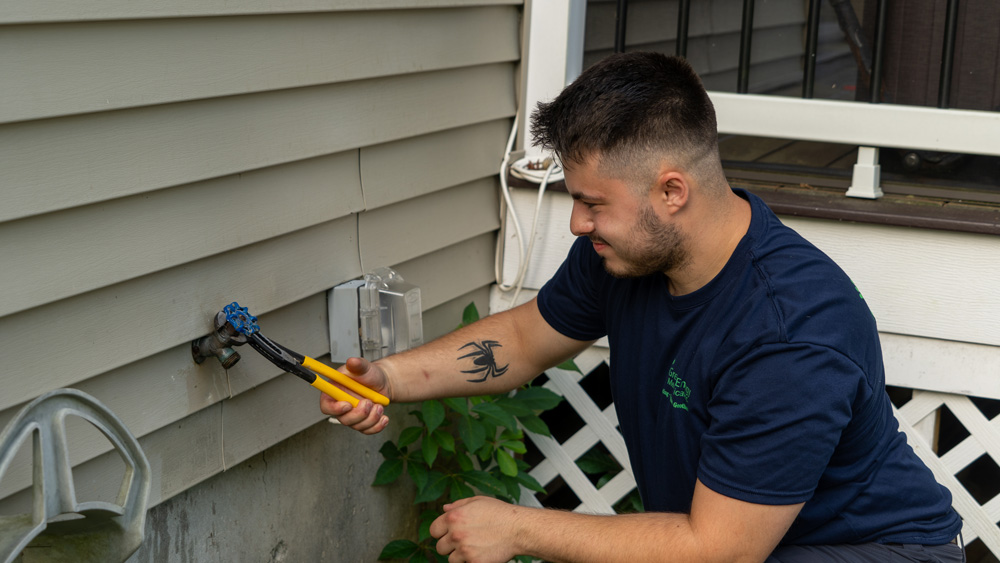
After a capacitor replacement, for instance, the outdoor unit should start more consistently and remain running through normal demand periods without immediate cycling. After a drain line fix, you should see dry surroundings around the indoor unit and no recurring error tied to overflow or safety.
After airflow-related adjustments, the supply air should feel appropriately cool in AC mode, and the indoor humidity should generally come down over time. If comfort is still poor and the service light returns quickly, that often points to an issue that was not fully resolved, like a lingering restriction or an unresolved refrigerant or airflow problem.
Keeping perspective on costs and timelines
Homeowners often want a clear answer fast, especially when the system is down. What is realistic depends on the fault type.
Electrical components like capacitors are often quicker repairs when they match the symptoms and tests. Coil cleaning and drain repairs can be fairly straightforward. Refrigerant and compressor-related repairs can take more time because they involve diagnostics, leak detection, and careful charging practices.
If your system is under warranty, that can change both parts sourcing and labor coverage. If you are unsure, locate the equipment installation date and model info. Share it when you call.
The key is that a reputable HVAC contractor in Needham MA will talk through the trade-off, not just deliver a number. The goal is to align the repair approach with what the equipment is telling you, the condition of the system, and the likelihood of long-term stability.
When you should consider professional AC installation instead of repeated repairs
Sometimes the best next step is planning a replacement. Not because anyone wants to sell you something, but because older equipment can be harder to stabilize once multiple major components have aged.
If you have recurring service codes tied to compressor performance, refrigerant stability issues, or repeated failures of multiple parts, a replacement might prevent the frustration of “fix it, wait, then fix it again.”
Also consider the difference between a system that is sized and installed correctly versus one that is marginal. A system can run and still struggle. If your home never reaches comfortable temperature without the unit working too hard, codes can be a symptom of a deeper mismatch between equipment capacity, duct performance, and insulation.
This is where AC installation in Needham becomes relevant even if you already have a system today. If you end up replacing, you want the new equipment properly installed and tuned to your home, not just swapped.
Quick action checklist for today
If your service light is on right now, here is a practical way to handle the next few hours without making things worse.
First, check the filter and outdoor unit clearance. Second, confirm thermostat mode and temperature settings. Third, note whether the system is running, whether it starts and stops, and how long it runs before the fault. If you see water around the indoor unit or strong condensation signs, stop troubleshooting and call for service.
Then, when you call, provide the exact code number or message pattern, the brand and model if possible, and what the system was doing right before the warning. That is enough to help a good technician come prepared with the right tools and parts, and it often shortens the time to a real fix.
If you are greenenergymech.com dealing with HVAC repair in Needham MA, especially service lights and error codes that keep returning, it helps to treat those signals as data. They point to specific conditions, and with the right troubleshooting approach you can usually get your comfort back without guessing.
Green Energy AC Heating & Plumbing Repair is there for homeowners who want solutions that stick, whether the job is AC repair in Needham MA, AC maintenance in Needham MA, or a careful decision about what comes next for your system.
Green Energy AC Heating & Plumbing Repair
10 Oak St Unit 5, Needham, MA 02492
+1 (781) 819-3012
[email protected]
Website: https://greenenergymech.com